Small Balcony Vegetable Garden Ideas on a Budget: 12 Creative Ways to Grow Food
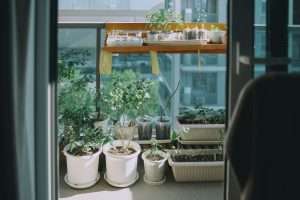
Hey, do you also have a small balcony but don’t want to spend a fortune on it? You’re in the right place for the best budget balcony garden ideas. Would you like to grow some fresh, edible plants or vegetables to add a touch of greenery—something you can both eat and enjoy looking at?
To be honest, I totally get it. Years ago, I was in the exact same situation. I lived in a small third-floor apartment, and just like you, I had no idea where to start.
So I scoured the internet for low-cost gardening solutions suitable for small balconies. Unfortunately, it took me a long time to figure things out, and I made my fair share of mistakes along the way.
Fortunately, there’s no need to worry—you don’t need a large space, expensive tools, or any special skills. All you need are practical ideas and a willingness to learn.
This guide shares all my hard-earned lessons. I made plenty of mistakes and lost many herbs along the way. Thankfully, these budget balcony garden ideas work for any apartment, no matter how small.
Why Budget Balcony Garden Ideas Work Perfectly for Renters
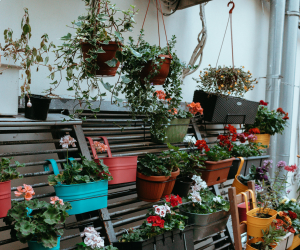
Since there are many restrictions on the apartments we rent, such as not being allowed to make major changes to the outdoor flooring, and in some cases, not being permitted to drill holes in railings or walls, the methods I’ve figured out can help you create a personalized balcony garden that’s perfect for renters.
Surprisingly, well-designed balcony setups can actually outperform regular yard gardens. This is because containers let you fully control soil quality, water levels, and plant layout.
This is a huge advantage for new and inexperienced gardeners. Additionally, if you’re also looking to spruce up your outdoor space without losing your security deposit, check out our guide to renter-friendly patio designs that work for any apartment.
Ultimately, this is why budget balcony garden ideas are so popular among apartment dwellers.
12 Budget Balcony Garden Ideas for Small Spaces
First and foremost, vertical space is your greatest asset on a small balcony. That’s why we’ve curated the best budget balcony garden ideas that require minimal investment and deliver maximum results.
1. Hanging Vertical Planters for Budget Balcony Gardens
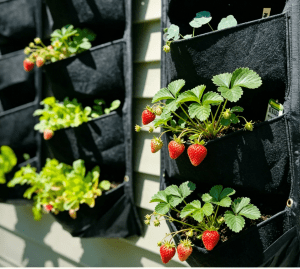
For starters, hanging planters are one of the most effective ways to maximize vertical space. You can hang them on walls, ceilings, or even tension rods. Best of all, no drilling is needed at all.
Grow lettuce, strawberries, and herbs inside soft felt hanging pockets. I use the MEIWO New Upgraded Deeper and Bigger 7 Pocket Hanging Vertical Garden Wall Planter ($13.29, 4.1 stars) — it features deepened large pockets, adjustable straps, and breathable felt material, super portable for any balcony.
You can buy them cheaply, or make DIY versions from leftover fabric. This setup basically doubles your room to grow veggies without taking extra floor space.
It looks lovely and keeps floor space free for relaxing outdoors.
2. Stackable Planting Towers for Budget Balcony Gardens
Next up, stackable planting towers are perfect for folks stuck in tiny apartments, trust me. My go-to pick is the GameXcel Vertical Planter Tower – 5 Tier Stackable Garden Planters with Wheels ($35.97, 4.1 stars). It comes with lockable universal wheels, water-resistant panels to stop root rot, and even includes handy gardening tools.
Stack modular pots upward. One square foot holds five or six separate planters. I wish I had discovered these during my first year of balcony gardening.
However, stick to shallow-rooted plants here. Lettuce, herbs, and green onions work best. Tomatoes need deeper soil. Keep them in larger standalone containers instead.
To be honest, these two options are my go-to picks for total beginners. They save space and cost almost nothing.
3. Railing-Mounted Planter Boxes for Budget Balcony Gardens
Another game-changing option is railing-mounted planter boxes. These are low-key total game-changers for anyone renting. The Holensun 16 Inch Deck Over The Railing Planter Boxes (3 Pack) ($27.99, 4.5 stars) clip right over railings with no screws, feature rust-proof metal and built-in drainage holes, perfect for rental homes.
They clip over railings with no screws and no rental damage. You can find them in wood, metal, or affordable plastic styles. Best of all, they free up all your floor space.
Always check your balcony’s weight limit first. Wet soil grows surprisingly heavy over time.
Lightweight plastic boxes with drainage holes are the safest choice for renters.
4. Repurposed Household Container Gardens
If you’re looking for an absolutely free option, repurposed household containers are the way to go. You can use items you already own around the house, like colanders, baskets, and buckets. Even old boots can turn into functional plant pots.
The best part? These upcycled planters cost you literally nothing to make. You can build a simple balcony garden for under $20 with recycled items.
Instead of buying pricey garden kits, your recycling bin holds plenty of great planter materials. Remember to punch small drainage holes in every repurposed container.
These zero-cost solutions are amazing for anyone watching their spending. I use them every year.
5. Lounge + Growing Combo Setups
For those who want to both relax and garden, lounge + growing combo setups are ideal. You can mix your seating area with growing space by trying a bench with built-in side planters. Alternatively, line your chair area with potted herbs, which also act as soft privacy screens.
If you want more privacy for your outdoor space, we’ve rounded up the best patio privacy ideas on a budget that pair perfectly with your garden.
This style is functional, affordable, and really charming to look at. This tiny apartment vegetable garden fits narrow balconies under six feet wide.
You will not lose living space. You will make better use of every corner.
6. Rolling Mobile Plant Stands
Additionally, rolling mobile plant stands are perfect for renters who move often or chase daily sunlight. They let you shift your garden from wall to wall as sunlight moves across the day.
Moving all plants indoors becomes easy when your lease comes up for renewal. These stands stay lightweight and low-priced. I recommend the GEEBOBO 5 Tier Plant Stand With 4 Wheels ($39.99, 4.5 stars). It’s sturdy, space-saving, and fitted with quiet rolling wheels to move your whole garden around easily.
For affordable seating to pair with your plant stand, check out our picks for the best budget patio furniture for small spaces.
It holds six to eight medium plant pots with no extra effort. Plus, mobile stands let you rearrange your garden anytime you want. Super flexible for small spaces.
7. Window Sill Mini Vegetable Plots
Don’t forget about your indoor window sills—they’re often overlooked but incredibly valuable. Narrow sills grow herbs and green onions exceptionally well. You can also grow lettuce and small pepper plants right beside your window.
This is the most beginner-friendly, cheap balcony vegetable idea of all. You do not even need to step outside to care for these plants.
Windows facing south offer strong light for tomatoes and peppers. North-facing windows suit leafy greens and fresh mint perfectly.
8. Fabric Grow Bags: Top Containers for Budget Balcony Gardens
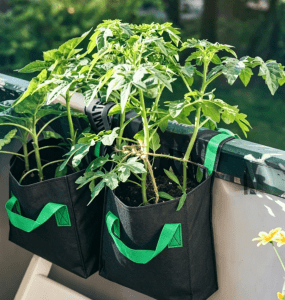
I can’t say enough good things about fabric grow bags for apartment balconies. These Land Guard 4-Pack 5 Gallon Fabric Grow Bags ($7.99 total, 4.4 stars) are my absolute top pick — I’ve had mine for 3 years now, and they’re still holding up perfectly with zero tears.
They are light, foldable, breathable, and very affordable. A standard five-gallon bag costs just $3 to $5. It fits tomatoes, peppers, and cucumbers.
Most importantly, breathable fabric stops root rot. This issue troubles many new plastic pot gardeners. Fold the bags flat and store them in a closet between growing seasons.
Truth be told, these grow bags are the best small investment you can make for your budget balcony garden. They last for years.
9. Multi-Tier Shelving Gardens
Another affordable option is multi-tier shelving gardens. A basic metal or wood shelf turns into a full garden wall quickly. Each shelf holds four to six plant pots, so three shelves can grow around twenty plants.
This cheap shelf setup gives you way more growing space than you’d think. If you’re shopping for one, the Simple Trending 3 Tier Metal Plant Shelf ($26.97, 4.7 stars) is waterproof, rust-resistant, and tool-free to assemble.
This is my personal favorite setup overall. I use a secondhand bathroom shelf unit. It holds my full herb collection plus two healthy tomato plants all year long.
10. Woven Hanging Basket Gardens
For a more natural, cozy look, woven hanging basket gardens are a great choice. You can find them at dollar stores, thrift shops, or local garden centers for very little money.
Pair them with Shappy 2 Pack Jute Crochet Plant Hangers ($14.59, 4.5 stars) for sturdy hanging support and Legigo 3 Pack 12 Inch Coco Liners ($13.29, 4.5 stars), natural coconut fiber liners that retain moisture perfectly.
To use them, line baskets with coconut coir, add soil, and plant trailing herbs or strawberries. They look high-end but cost very little to buy.
Hanging baskets boost airflow around leaves. They prevent fungal problems in humid weather. These baskets are not just pretty. They support healthier plant growth, too.
11. Flower-Vegetable Mixed Planters
Furthermore, flower-vegetable mixed planters offer both beauty and practical benefits. Marigolds keep aphids away from your edible plants, while nasturtiums attract helpful pollinators.
Mixed pots look like intentional home decor. Your landlord will definitely approve. This method uses natural pest control. It makes easy vegetables to grow on a balcony even simpler.
12. Solar-Light Atmosphere Gardens
Last but not least, solar-light atmosphere gardens add a magical touch to your space. You can add solar fairy lights around your plant arrangement to create a warm, inviting glow after dark.
For more lighting ideas to make your garden glow after dark, check out our guide to 27 best patio string lights ideas.
One strand costs $10 to $15. Lights charge in daylight and brighten your balcony after sunset.
Warm light also adds gentle warmth to plants on cool evenings. This simple upgrade turns a functional garden into a relaxing hangout spot.
Our main goal here: affordable, effective, and fully renter-safe. These budget balcony garden ideas prove you don’t need a big yard to grow your own food.
How Much Do Budget Balcony Garden Ideas Cost?
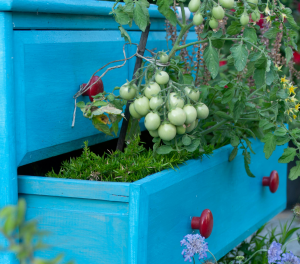
Now, let’s break down exactly how much a balcony garden will cost you. A full balcony setup usually runs $30–$100, but you can totally start with just $10–15.
The best part is, no matter your budget, there are budget balcony garden ideas that will work perfectly for you.
$0 Zero-Cost Budget Balcony Garden Ideas
First, the $0 zero-cost approach is perfect for anyone who wants to try gardening without spending a dime. Just grab stuff from your kitchen or recycling bin — you don’t need to buy anything new.
Save seeds from store-bought tomatoes, peppers, and squash. Most will sprout easily.
Regrow green onions from leftover root ends. You would normally throw these away. Join local seed swap groups online or in your community. This method costs nothing.
This is one of the most creative budget balcony garden ideas that costs absolutely nothing.
$20–$30 Starter Tier Budget Balcony Garden Ideas
If you’re ready to invest a little money, the $20–$30 starter tier is a great place to start. For this amount, you can grab some cheap pots, soil, and seeds and be ready to go.
I always pick Burpee 9 Quarts Premium Organic Potting Natural Soil Mix ($10.95, 4.5 stars) for beginners. It has slow-release fertilizer to feed plants for months.
You do not need expensive garden kits as a new gardener. Check dollar stores first. They sell cheap seeds and small plant pots.
This is the perfect entry point for anyone looking to try out budget balcony garden ideas.
$50–$80 Intermediate Tier Budget Balcony Garden Ideas
Once you’ve gotten the hang of gardening and want to expand, the $50–$80 intermediate tier is ideal. This budget gets you solid grow bags and higher-quality real soil.
I also added Legigo 4 Quarts Organic Horticultural Perlite ($12.99, 4.7 stars) for better drainage and Brut Organic Worm Castings 5 LB ($15.99, 4.8 stars), pure organic fertilizer to enrich the soil.
Throw in some basic liquid fertilizer to keep your plants fed. A small shelf fits right into this budget, too.
This tier works for gardeners who want to move past basic beginner setups.
$100+ Full Setup Budget Balcony Garden Ideas
Finally, if you wanna go all-in, the $100+ full setup gives you all the tools you need for a low-maintenance garden. This includes self-watering pots and lazy-garden tools that make gardening even easier.
The Vugosson 7 Pack Self-Watering Planters ($24.99, 4.4 stars) let you go 7 to 14 days without watering. For climbing veggies, Legigo 6-Pack Tomato Cages ($27.49, 4.4 stars) and MIXC Drip Irrigation System Kit ($36.45, 4.4 stars) are total game-changers.
Add premium soil, a full fertilizer set, vertical trellis, and drip irrigation timers.
This setup is a total lifesaver for busy people. If you travel a lot? Or just forget to water your plants sometimes? It’s perfect.
Self-watering pots alone save many plants from dryness or overwatering.
Soil & Container Setup for Budget Balcony Gardens
Okay, let’s talk about the secret sauce that makes all these budget balcony garden ideas work: the soil mix.
Soil is honestly everything. If you mess this up, everything else will fall apart. Fortunately, this mix has worked for every balcony plant I’ve ever grown.
For more expert soil mixing tips, check out the University of Minnesota Extension guide on container gardening.
The Universal Potting Mix for Budget Balcony Gardens

Here’s the easy mix I use for all my pots — no fancy skills needed.
- 5 parts regular potting soil
- 3 parts perlite or rough sand to keep water moving. TOYPOPOR 2.2lb Coarse Silica Sand ($9.99, 4.6 stars) is my go-to choice here
- 2 parts compost or worm castings for food
Squeeze a handful of mixed soil tightly in your palm. It should loosen and crumble right away. This texture means perfect drainage.
Adjustments by Plant Type for Budget Balcony Gardens
Leafy greens like lettuce and spinach: Raise compost to 3 parts. It grows lusher leaves faster.
Fruiting veggies like tomatoes and peppers: Add crushed eggshells for calcium. If you don’t want to make your own, Miracle-Gro Tomato Plant Food ($8.08, 4.6 stars) adds extra calcium to prevent blossom end rot perfectly.
Eggshells stop black blossom rot on ripe fruit.
Rule for all containers: Always prioritize strong drainage to avoid root rot.
Reviving Old Soil for Budget Balcony Gardens
Do not throw away soil from the last growing season. Spread old soil under direct sunlight for three full days. The sun kills bacteria and small bugs.
Mix it with one-third fresh potting mix and a handful of compost. Test drainage by watering once. Add more perlite if water drains too slowly.
DIY Planters for Budget Balcony Gardens (3 Designs)

No drill planters for rental balconies are dead simple to make from used plastic bottles. These DIY planters are perfect for anyone looking for cheap budget balcony garden solutions.
Design 1 — Vertical Deep Pot for Budget Balcony Gardens
For Design 1, start by grabbing a big plastic jug and cutting it right below the handle — be sure to keep the handle intact for hanging. Next, smooth any sharp edges with a lighter or sandpaper to avoid cuts while planting later.
After that, punch 6–8 small drainage holes on the bottom and lower sides of the jug. Then, wrap the outside with black plastic or paint it dark to block light and stop algae from growing inside the container.
Design 2 — Horizontal Trough Pot for Budget Balcony Gardens
Lay the bottle on its side and cut a long opening across the top. Super easy. Hang it inside your balcony railing to save valuable floor space.
Punch drainage holes across the bottom of the bottle body. Cover clear plastic areas to keep sunlight away from plant roots.
Design 3 — Self-Watering Pot for Budget Balcony Gardens
Cut a bottle in half, poke a hole in the cap, and string a cotton rope through it. Flip the top half upside down. Place it inside the bottom half of the bottle.
The lower section holds water. The wick pulls moisture up slowly for 1–2 weeks. This design is a lifesaver for busy or forgetful apartment gardeners.
Square Foot Garden Boxes for Budget Balcony Gardens
If you have extra floor space on your balcony, consider building a square foot garden box. I use the Meberam Galvanized Raised Garden Bed Kit (2 Pack) ($38.99, 4.5 stars) for my square foot garden; it’s rust-proof and easy to put together.
To make one, start by building a 1m × 1m wooden box. Keep the depth between 15–30 cm for optimal root growth. Then, divide the inside into 9–16 small grid sections with a string or thin wood.
Use this special soil blend: 30% compost, 40% coco coir, 30% perlite. Back to The Roots Organic Coir ($18.54, 4.6 stars) expands to plenty of volume and works amazing for this mix.
This mix drains well and holds moisture evenly across all grids. It produces up to five times more food than regular outdoor garden soil.
Arrange plants by height. Grow tall tomatoes on back trellises. Place cucumbers and beans in the middle grids. Short greens and radishes go up front.
This is one of the most productive layouts for a budget balcony garden.
8 Vegetables to Grow in Your Budget Balcony Garden
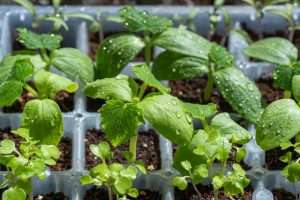
By the way, if you want to add more greenery that requires almost no upkeep, don’t miss our list of the best low-maintenance patio and balcony plants on a budget.
1. Lettuce for Your Budget Balcony Garden
First up, lettuce is one of the easiest vegetables to grow on a balcony. Sprinkle lettuce seeds on top of the soil and cover them with just a tiny layer of dirt. Keep the soil moist, but never fully soaked, as lettuce loves partial shade.
North-facing balconies are the ideal spot for steady lettuce growth. Thin young seedlings to 5 cm apart to give each plant room to spread.
Harvest outer leaves only. Leave the center intact for continuous regrowth. It is perfect for small balconies, new gardeners, and fast harvest results.
2. Cherry Radishes for Your Budget Balcony Garden
Next, cherry radishes are perfect for impatient growers. Radish seeds go just barely under the soil and sprout in just three days. This makes them incredibly rewarding for new gardeners.
Full sunlight grows plump, tasty radish roots every single time. Harvest your crop after 30 days. They taste crisp and mild.
They are far less spicy than store-bought radishes. Great for small containers, quick harvests, and gardening with kids.
3. Green Onions for Your Budget Balcony Garden
Another great option is green onions, which you don’t even need seeds to grow. Just replant the roots you buy at the store, setting them 5 cm deep in soil. Water your plants once every three days, and they’ll regrow nonstop.
They grow well in sun or shade. They also handle dry soil fairly well. Cut green tops as you need them. The plant regrows nonstop all year.
These are low-maintenance plants with big rewards for renters. They fit window sills and the tiniest plant pots easily.
4. Mint for Your Budget Balcony Garden
Mint is another incredibly easy herb to grow. Simply stick a stem in water until it grows roots, then transplant the rooted sprigs into regular potting soil.
Mint grows fast in moist soil and tolerates partial shade very well. Simply snip leaves for tea, salads, or natural pest repellent near other plants.
Mint spreads quickly. Always grow it in its own separate container. Works great in hanging pots and for gardens troubled by aphids.
5. Cherry Tomatoes for Your Budget Balcony Garden
If you have a sunny balcony, cherry tomatoes are a must-grow. Pick small or bush tomato kinds — they’re made for pots, trust me. Popular picks include Tumbling Tom and Balcony Red.
Use deep pots and add small stakes or cages for plant support. LEOBRO 6 Pack Plant Support Stakes ($14.59, 4.5 stars) keep tomato vines standing tall and prevent bending.
Tomatoes need 6–8 hours of direct sun. South or west balconies work best. Add light-balanced fertilizer regularly. Miracle-Gro 10-10-10 All Purpose Liquid Plant Food ($14.99, 4.5 stars) is gentle and perfect for steady growth. Plants bear fruit all summer long.
Best for sunny balconies with strong daily sunlight.
6. Chili Peppers for Your Budget Balcony Garden
Similarly, chili peppers are actually perfect for small pots. They don’t need a ton of room, so fill your pots with soil rich in compost and water when the topsoil feels dry.
Feed with tomato fertilizer every two weeks during fruiting season. Miracle-Gro LiquaFeed Tomato Plant Food (2 Pack) ($12.99, 4.7 stars) helps peppers produce abundant fruits.
Mature pepper plants handle dry soil well. They are drought-tolerant. Ideal for small sunny spaces and anyone who cooks with fresh spices.
7. Spinach for Your Budget Balcony Garden
For shaded balconies, spinach and other leafy greens are ideal. Sprinkle spinach seeds loosely and don’t bury them deep — they hate that. Keep the soil damp at all times, as spinach prefers cool, shaded spots.
It turns bitter and bolts fast in extreme summer heat. Grow in spring or fall. Harvest outer leaves repeatedly for ongoing fresh greens.
These are fail-safe plants for north and east-facing shaded balconies.
8. Herbs for Your Budget Balcony Garden
Finally, no balcony garden is complete without herbs like parsley, basil, and oregano. Herb seeds are tiny, so keep the dirt warm and damp until they pop up. Once the plants settle in, move the pots to your sunniest balcony spot.
Water only when the topsoil dries out. Wet soil kills most fresh herbs. Snip the top growth often. Trimming makes plants bushier and more productive.
These three herbs cover most daily cooking needs at home. Perfect for kitchen windows, hanging planters, and sunny small corners.
Companion Planting Tips for Budget Balcony Gardens
Companion planting is a smart way to get natural chemical-free pest control in your garden. For example, planting basil beside tomatoes keeps aphids and whiteflies far away.
Similarly, marigolds next to peppers repel harmful garden beetles, while mint near any edible plant confuses and drives away common pests.
Additionally, radishes beside lettuce loosen the soil and help both root systems grow better.
Overall, companion planting is a great way to boost your budget balcony garden harvest naturally. To learn more about it, check out the USDA People’s Garden official guide.
Sunlight Guide for Your Budget Balcony Garden
Matching plants to your balcony’s sunlight is absolutely key to a successful budget balcony garden.
For south or west-facing balconies that get full sun, grow cherry tomatoes, chili peppers, and cherry radishes — these are all full sun lovers.
On the other hand, for north or east-facing balconies that get partial shade, stick to lettuce, spinach, green onions, and mint.
As a bonus, the zero-failure beginner picks are green onions, lettuce, and mint. These plants are nearly unkillable, even for new gardeners.
Full Care Techniques for Your Budget Balcony Garden
Now that you know what to grow, let’s talk about how to care for your plants. Following these simple steps will keep your budget balcony garden thriving all season long.
Watering Your Budget Balcony Garden
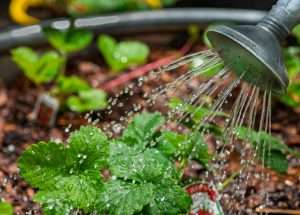
First and foremost, proper watering is essential for healthy plants. Follow this simple rule: Water when the top inch of soil turns dry. Stick one finger into the soil. Water thoroughly if the dirt feels dry.
Stop watering if the soil still holds moisture. Check the next day again. Self-watering pots or DIY bottle wicks remove all watering guesswork.
As a general rule, water plants in the morning. It cuts evaporation and fungal disease risks. I use the 2.8L Long Spout Watering Can ($15.99, 4.5 stars) to water precisely without making a mess.
Fertilizing Your Budget Balcony Garden
Next, regular fertilizing will help your plants grow strong and produce more food. First, mix slow-release fertilizer into the soil at planting time to feed plants long-term.
Add liquid fertilizer every two weeks during active growing seasons.
Use balanced 10-10-10 fertilizer for all leafy green plants. Switch to tomato fertilizer for fruiting plants once flowers bloom.
Do not over-fertilize. Too much feed burns roots and stops fruit growth.
Pest Control for Budget Balcony Gardens
Finally, pest control is an important part of keeping your garden healthy. To stay ahead of pests, check the underside of leaves every week, as pests love to hide in these spots.
Wipe leaves with a damp cloth for small bug infestations.
Spray plants with a strong stream of water to knock bugs away. Place yellow sticky traps near plants to catch flying insects early. Mosqueda Yellow Sticky Bug Traps (36 Pack) ($5.98, 4.4 stars) are cheap and super effective against gnats and aphids.
Let’s be real — who hasn’t woken up to find holes in their lettuce leaves? It’s the worst.
Mix dish soap and water for a natural bug spray for serious issues. For severe infestations, Bonide Insecticidal Super Soap ($10.97, 4.6 stars) is an organic, plant-safe solution.
The solution kills soft-bodied pests like aphids without harming plants. Nearby mint plants also add extra natural pest protection to the whole garden.
My Budget Balcony Garden Transformation Story
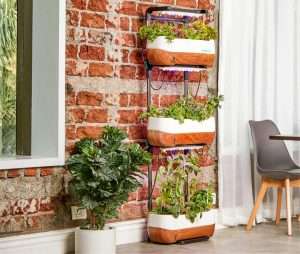
My 4×8 Budget Balcony Garden Transformation
Initial Planning & Lease Check
One Saturday morning, I pulled out a tape measure to size up my tiny balcony. It was only 4 feet wide and 8 feet long. Honestly, I almost gave up right then because the space felt way too small for any kind of garden.
However, I first double-checked my rental lease to see what was allowed. Drilling walls was strictly off-limits, so instead, I opted for railing hooks, tension rods, and a rolling shelf cart.
Soil Preparation & Seed Starting
Fortunately, all these growing surfaces worked with zero damage to the apartment. Next, I mixed soil with the classic 5:3:2 ratio inside a large bucket.
I combined five scoops of potting mix, three scoops of perlite, and two scoops of compost. The final soil felt light, fluffy, and full of natural nutrients.
After that, I started seeds in repurposed yogurt cups on my windowsill. I moved young seedlings outside after two full weeks of hardening off. Seeing the first tiny lettuce sprout felt incredibly exciting.
Layout Setup & Daily Routine
I finished the full layout in just one afternoon. The rolling cart on the left held large grow bags for tomatoes and peppers, while railing planters on the right grew fresh herbs and green onions.
Hanging felt pockets near the ceiling held lettuce and strawberries. Amazingly, my daily gardening routine now takes just five minutes each morning.
Each day, I check soil moisture and scan leaves for small bugs, and I also trim any dead leaves away. I made a stupid mistake early on — I overwatered my first batch of basil so bad it turned mushy overnight. I still cringe thinking about it, but that’s how I learned to stop killing my herbs.
Harvest Results & Moving Experience
I began harvesting lettuce after six weeks, and my first tomatoes arrived at week eight. After three months, I never bought store-bought salad greens again.
This was a huge win for anyone sticking to a tight renter budget. When I moved apartments the next spring, I simply rolled all the plants onto a small dolly.
I covered plant tops lightly with old sheets and moved everything in two short trips. Amazingly, every single plant survived the move. This is truly renter gardening done right.
Common Mistakes to Avoid in Your Budget Balcony Garden

Beginner Fails to Avoid in Your Budget Balcony Garden
First, clear plastic containers grow thick green algae in just a few weeks. To fix this issue, use opaque pots or paint plastic surfaces dark.
Overwatering kills more balcony plants than any other mistake. On the other hand, too little light creates tall, thin plants with almost no harvest.
Additionally, heavy ceramic pots easily exceed balcony weight limits. Always check your lease first, as drilling walls for planters breaks rental rules and risks your security deposit.
Finally, never use raw outdoor garden soil in containers because it compacts and crushes plant roots.
8 Problems and Exactly How to Fix Them
Yellow Leaves
If your lower leaves start turning pale yellow, your plant’s struggling. Causes: Overwatering, low light, or nutrient-depleted soil. Fix: Let soil dry fully, move to sunnier spots and add mild liquid fertilizer.
Leggy Seedlings
Skinny, tall seedlings? That means they’re begging for more light. Causes: Insufficient light, warm air, or overcrowded seeds. Fix: Add sunlight, thin seedlings, and pile soil around weak stems for support.
Root Rot and Wilting
If dirt stays wet forever and your plant looks sad, it’s probably root rot. Causes: No drainage holes, overwatering, or heavy soil. Fix: Stop watering, add drainage holes, and repot in fresh light soil immediately.
Holes in Leaves
Little holes in leaves? Bugs are snacking on your plants. Causes: Aphids, whiteflies, and small garden caterpillars. Fix: Hand-pick bugs, use sticky traps, and spray diluted soapy water regularly.
Curled or Deformed Leaves
New leaves looking all crumpled and weird? Something’s off. Causes: Sap-sucking pests, low calcium, or sudden temperature changes. Fix: Check leaf undersides for bugs, add eggshells, and move plants away from drafts.
No Flowers or Fruit
Lots of leaves but no flowers or veggies? Super common, easy to fix. Causes: Low sunlight, too much nitrogen, or poor natural pollination. Fix: Move to full sun, switch fertilizer, and shake stems gently to spread pollen.
Slow, Weak Growth
Plant just… not growing? Staying small and pale? It needs help. Causes: Root-bound pots, poor soil, or lack of regular feeding. Fix: Repot into larger containers with fresh soil and follow a fertilizer schedule.
Hard White Crust on Soil
White crusty stuff on top of your dirt? That’s just mineral buildup. Causes: Mineral buildup from tap water or excess fertilizer salts. Fix: Scrape off top soil, add fresh mix, and cut back on fertilizer use.
Container Modification Failures in Budget Balcony Gardens
Rough cut edges on plastic bottles can scratch and damage young plant roots. Make sure to sand or flame-smooth every cut edge on DIY bottle planters.
Containers with no drainage holes cause root rot extremely fast. I actually lost a full tray of seedlings this way early in my gardening journey.
Before placing any seeds or plants inside, always test the drainage first. Hanging setups often fail if the hooks cannot support the weight of wet soil. Remember, wet soil is far heavier than dry soil.
For safety, use S-hooks rated for at least 10 pounds per container. Remember to check hooks every month for signs of wear and tear. When moving plants between apartments, take extra care to protect them.
First, place pots in open cardboard boxes to prevent tipping during transport. Then, secure plants with soft towels to avoid breaking stems. Additionally, crack car windows on warm moving days to provide fresh air.
Unfortunately, I once transported plants in hot direct sun without proper ventilation. As a result, many tomatoes wilted badly. Luckily, they recovered after a few days of extra care, but it was a stressful experience.
FAQ: Budget Balcony Garden Ideas
What is the cheapest way to start a balcony vegetable garden?
The absolute cheapest way is totally free — no kidding. You can regrow green onions from roots, save seeds from store-bought produce, and use recycled cups and cans as pots.
If you want to invest a little, spend $10–15 on basic seeds and small bags of potting mix. Remember, a budget container vegetable garden relies on creativity, not big spending.
Can I grow vegetables on a rental balcony without drilling?
YES! You 100% can grow veggies without drilling a single hole. No-drill planters for rental balconies are widely available and very affordable.
Options like railing hooks, tension rods, shelves, and rolling carts all work with no wall damage. No-drill balcony planters for veggies fit every budget, from low to high.
Just be sure to follow your lease rules, as most non-permanent setups are fully approved by landlords.
What vegetables grow best on small balconies?
The easiest veggies for tiny balconies are the ones I swear by: lettuce, green onions, and radishes. Mint and herbs like basil also grow fast in a limited, small space.
If your balcony gets strong full sunlight, you can also add tomatoes and peppers. For shaded north or east balconies, stick to leafy greens and herbs.
How do I keep my balcony garden renter-friendly?
To keep your balcony garden renter-friendly, choose all no-drill containers and lightweight plant options. Fabric grow bags for balcony vegetables leave zero marks and fold flat for easy storage.
Avoid heavy ceramic pots that might push past your balcony’s weight limits. Instead, use stackable planters for small balcony veggies to keep a tiny footprint.
Most importantly, never mount anything permanently to walls or railings. All items should be easy to move when your lease ends. This is the core rule for any renter-friendly balcony vegetable garden.
How do I water a balcony garden without making a mess?
To water your balcony garden without making a mess, use a watering can with a narrow spout for precise watering. Water slowly until liquid flows out of the bottom drainage holes.
Place small saucers under every pot to catch any extra water. The DIY self-watering bottle system we mentioned earlier also cuts down spills completely.
Finally, water in the morning, as plants absorb moisture better before the midday heat arrives.
Final Thoughts on Budget Balcony Garden Ideas
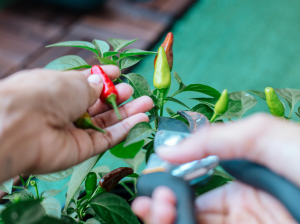
So, your small vegetable garden isn’t limited by the size of your space. The key is how you cleverly make use of it—so you can grow your favorite vegetables on your tiny balcony at minimal cost, all while staying within the terms of your lease.
These are my favorite tried-and-true budget balcony garden ideas that won’t break the bank.
Let’s start with something simple: all you need is a rack, two seedling bags, and the seeds you want to grow. Once you see them sprout, bear fruit, and harvest your first crop, you’ll be hooked—there’s no turning back.
Amazon Associates Affiliate Disclosure
I earn commissions from qualifying purchases made through links on this page at no extra cost to you. As an Amazon Associate, I benefit from eligible sales generated by the recommended products.
All product prices, ratings, and features are based on information available on Amazon US at the time of writing, and may be updated by retailers without prior notice. I only recommend items I have personally tested or thoroughly researched, aiming to bring practical and cost-effective choices for all balcony garden lovers.